

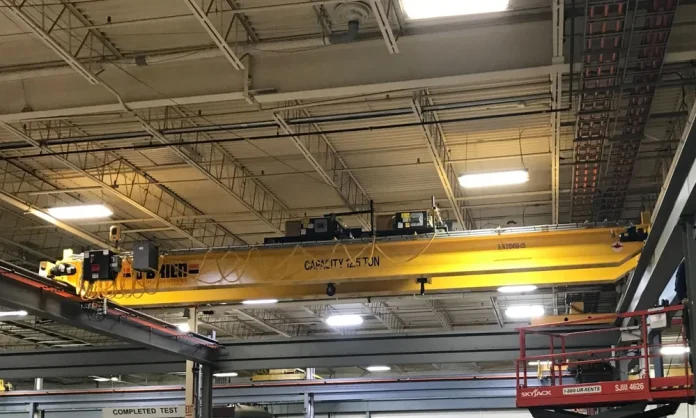


Key Takeaways
Crane performance depends heavily on the condition and quality of its essential components. Engine components, hydraulic systems, hoists, brakes, and rigging gear all contribute to reliable and safe lifting operations.
Regular inspection and maintenance help identify wear, damage, and performance issues before they interfere with daily operations. Choosing compatible replacement components is also important for maintaining equipment reliability.
Understanding how different crane parts contribute to overall performance allows operators and maintenance teams to make better decisions about inspections, repairs, and replacements.
Engine Components Support Reliable Crane Performance
The engine provides the power needed for many crane operations, making its components essential to overall performance. A properly maintained engine can help the crane operate consistently while supporting demanding lifting tasks.
Engine components include parts that contribute to power generation, fuel delivery, cooling, and overall mechanical operation. When these components are worn or poorly maintained, the crane may experience reduced performance, excessive fuel consumption, or unexpected downtime.
Regular maintenance can help identify problems before they become more serious. Checking fluid levels, monitoring engine performance, and following the manufacturer’s recommended maintenance schedule are practical ways to keep the engine operating properly.
Replacement components should also be selected carefully. Using parts that are compatible with the crane’s specific make and model helps ensure proper fit and operation.
Why Engine Maintenance Matters
Engine problems can affect more than just lifting performance. A mechanical issue can interrupt an entire project and require unplanned repairs. Routine inspections give maintenance teams an opportunity to identify signs of wear and address them before they result in larger operational problems.
Keeping accurate maintenance records can also help teams determine when components require inspection, servicing, or replacement.
Hydraulic Systems Provide Controlled Lifting Power
Hydraulic systems are another essential part of crane performance. They use pressurized fluid to generate the force needed for lifting, positioning, and controlling heavy loads.
Hydraulic components commonly include pumps, cylinders, hoses, valves, and fluid reservoirs. Each component must work properly for the system to deliver consistent performance. A damaged hose, contaminated fluid, or malfunctioning pump can affect lifting capability and create operational concerns.
Regular hydraulic maintenance should include checking fluid condition and levels, inspecting hoses for leaks or damage, and examining other components for signs of wear. Following the manufacturer’s service recommendations can help maintain the system’s reliability.
Hydraulic systems also require attention to cleanliness. Contaminated hydraulic fluid can affect sensitive components and contribute to premature wear. Keeping the system clean and properly maintained is therefore an important part of crane upkeep.
Maintaining Hydraulic Performance
Operators should pay attention to unusual noises, inconsistent movement, leaks, or changes in lifting performance. These signs may indicate that the hydraulic system requires inspection.
Addressing hydraulic problems early can help prevent more extensive repairs and unnecessary interruptions to crane operations.
Hoists and Hooks Help Handle Loads Safely
Hoists and hooks are among the most important components involved in lifting and moving loads. Their condition directly affects how safely and effectively a crane can handle materials.
The hoist provides the mechanism for raising and lowering loads, while the hook connects the lifting equipment to the load. Both components must be properly maintained and inspected according to applicable requirements and manufacturer recommendations.
Hooks should be checked for visible damage, excessive wear, deformation, cracks, and other conditions that could affect their integrity. Safety latches should also be inspected to ensure they function correctly where required.
Hoists require similar attention. Operators and maintenance personnel should monitor unusual sounds, irregular movement, and other changes in performance. Problems should be investigated rather than ignored.
Proper Inspection Supports Safe Lifting
Regular inspections help identify potential problems before equipment is placed under significant load. Maintenance personnel should follow appropriate inspection procedures and manufacturer guidance for the specific crane and lifting equipment.
Operators should also understand load limits and avoid using equipment beyond its rated capacity. Proper load handling, inspection, and maintenance work together to support safer crane operations.
Braking Systems Provide Control During Operations
A crane’s braking system is essential for controlling movement and managing loads during operation. Reliable brakes allow operators to stop or hold crane movements as required.
Brake components can experience wear over time, particularly in equipment that operates frequently or handles demanding loads. Regular inspections can help identify worn components, unusual behavior, or other conditions that may affect braking performance.
Maintenance teams should follow the crane manufacturer’s recommendations when inspecting and servicing the braking system. Any unusual noises, delayed stopping, or changes in brake response should receive immediate attention.
The braking system should also be considered alongside the crane’s overall operating conditions. Load weight, operating environment, and usage frequency can all influence maintenance needs.
Keeping Brakes in Proper Condition
Preventive maintenance is important because brake problems can affect both productivity and operational safety. Scheduled inspections and timely replacement of worn components can help keep the braking system functioning as intended.
Maintaining accurate service records also helps teams track repairs and identify recurring issues.
Rigging Gear Connects Crane Performance With Load Handling
Rigging gear plays a critical role in connecting the crane to the load. Slings, shackles, spreader bars, and other lifting accessories must be selected and used appropriately for each application.
The quality and condition of rigging equipment can influence how securely a load is connected and positioned. Damaged or improperly selected equipment can create unnecessary risks during lifting operations.
Before use, rigging equipment should be inspected for signs of damage, excessive wear, deformation, or other defects. Equipment should also have appropriate ratings for the intended lifting application.
Proper rigging practices are just as important as equipment quality. Personnel should understand how to select, attach, and position lifting accessories based on the load and the planned lift.
Choosing the Right Rigging Equipment
Using appropriate rigging equipment helps create a more controlled lifting process. Different loads may require different types of slings, shackles, or other accessories, so equipment selection should be based on the specific job rather than convenience.
Training also plays an important role. Personnel who understand proper rigging techniques are better prepared to identify unsuitable equipment and recognize potential problems before a lift begins.
FAQ
What are the most important parts of a crane?
Important crane components include the engine, hydraulic system, hoist, hook, braking system, and rigging equipment. The importance of each component can vary depending on the crane’s design and application.
How often should crane parts be inspected?
Inspection frequency depends on the crane type, usage, operating environment, manufacturer recommendations, and applicable safety requirements. Regular inspections should be part of an established maintenance program.
Why is hydraulic maintenance important for cranes?
Hydraulic maintenance helps keep the system operating consistently. Checking fluid condition, inspecting hoses, and monitoring pumps and cylinders can help identify problems that could affect lifting performance.
When should crane components be replaced?
Components should be replaced when they reach the manufacturer’s specified limits, show unacceptable wear or damage, or no longer perform as intended. Replacement decisions should be based on appropriate inspection and maintenance procedures.
Are OEM crane parts better for equipment maintenance?
OEM parts are designed for specific equipment models and can provide a reliable fit when they match the manufacturer’s specifications. However, replacement decisions should consider compatibility, quality, application requirements, and manufacturer guidance.
How does proper rigging affect crane performance?
Proper rigging helps connect and position loads appropriately for lifting. Selecting suitable equipment and using correct rigging practices can support safer and more controlled lifting operations.
Can poor maintenance reduce crane performance?
Yes. Worn, damaged, or poorly maintained components can affect reliability, efficiency, and safe operation. Regular maintenance helps identify issues before they cause significant operational problems.
Why is component compatibility important when replacing crane parts?
Compatible components are designed to work with the specific crane system or model. Checking specifications before purchasing replacements helps reduce the risk of improper fit or unsuitable performance.
Useful Resources
- Occupational Safety and Health Administration (OSHA) – Provides guidelines and regulations focusing on crane safety in the workplace.
- Cranesafe – Offers resources related to crane certifications and safety inspections.
- National Crane Safety and Health Administration (NCSHA) – Provides educational materials on crane operations and safety standards.
- American Society of Heating, Refrigerating and Air-Conditioning Engineers (ASHRAE) – Resources for understanding hydraulic systems and their maintenance.
- National Center for Biotechnology Information (NCBI) – Research articles discussing the importance of component quality and engineering in machinery.
- Association of Equipment Manufacturers (AEM) – Education on equipment specifications, maintenance, and safety protocols.
- International Organization for Standardization (ISO) – Establishes international standards for crane equipment and parts compatibility.
- Swarco – Focused on the safe operation of lifting equipment, providing training resources for operators.
- International Association of Rigging Contractors (IARC) – Educational opportunities centered around rigging gear and best practices.