



One phone, many situations
A mobile plan has to work in more than one situation. It needs to support your normal routine in Malaysia, keep you reachable during busy days and still make sense when you travel. For many users, the challenge is not lack of options. It is knowing which benefits matter and which ones are simply nice to have.
People often compare plans by asking how much data is included. That matters, but it is only one part of the decision. Calls, validity, hotspot, app habits and travel readiness can all affect real value. A plan that looks generous on paper may still fall short if it does not match how you use your phone.
Everyday value comes first
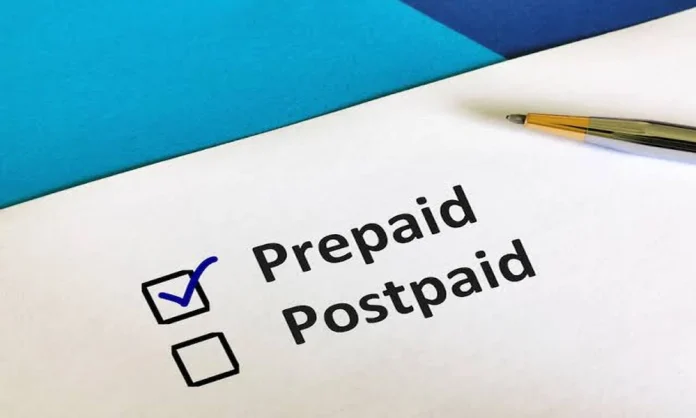
For local use, prepaid can be a practical choice because it gives spending visibility. You know what you are paying before you use the service, which can make monthly budgeting easier. It also gives users the flexibility to change according to routine, allowance, work pattern or travel plans.
When comparing best prepaid deals, look beyond the headline data amount. Check the validity, whether the data fits your monthly routine and whether the plan makes it easy to manage top-ups. A lower-priced plan can be useful for light users, while a higher-data option may save money for someone who would otherwise buy add-ons repeatedly.
Calls still have a role
Messaging apps are popular, but normal calls still matter. People call family members, delivery riders, clinics, banks, colleagues and customer service lines. A user who makes regular calls should not choose a plan only by data. Call benefits may prevent small charges from becoming a recurring irritation.
This is especially true for parents, older users, small business owners and field workers. For them, a plan that combines practical data with reliable call value can be more useful than a plan that is only built around entertainment usage.
Travel readiness matters before you fly
Many Malaysians travel to nearby destinations such as Thailand, Singapore and Indonesia, while others travel further for work or family holidays. Once overseas, the phone becomes essential for maps, bookings, ride-hailing, translation and messaging. That is also when phone roaming charges can surprise users who did not check rates in advance.
Before travelling, review the available roaming options and understand what is covered. Some users only need a small data pass for a weekend. Others may need more data for business tools or hotspot. The point is to prepare before the trip, not after landing.
Putting the pieces together
The best prepaid mobile plans are the ones that work smoothly for daily life, while travel planning should cover roaming separately. This approach helps users avoid overpaying locally and avoid confusion overseas.
A balanced mobile setup is simple: understand your local habits, choose a plan that fits them, and prepare a travel option when your phone has to work outside Malaysia. That is how you keep control without sacrificing convenience.
Why this decision matters
The Malaysian Guide to Balancing Local Data, Calls and Travel Readiness is something many travellers only think about when they have already landed. That is usually too late. The moment you reach another country, your phone becomes your map, booking tool, ride-hailing device, translator and main way to stay in touch.
Good roaming planning is not about using the most expensive option. It is about knowing what your trip needs before your phone connects to an overseas network. The right preparation can prevent wasted time, avoid confusion and reduce the risk of surprise charges.
Start with real monthly behaviour
The most useful comparison starts with your own usage, not the promotion you see first. Open your phone’s data settings and check the last 30 days. Look at the top five apps by mobile data consumption. If most of your usage comes from video, social media and hotspot, your needs are different from someone who mostly uses WhatsApp, maps, e-wallets and browsing.
This matters because the best prepaid mobile plans are the ones that match a routine. A plan can look impressive because it offers a large data number, but if the validity is too short or the allowance is far more than you normally use, it may not be the best value. Likewise, a smaller plan can become costly if you buy add-ons every few days.
Malaysian users often move between Wi-Fi and mobile data throughout the day. Someone in Kuala Lumpur may use Wi-Fi at the office but mobile data on the LRT. A student in Penang may use campus Wi-Fi during class but mobile data in the evening. A gig worker in Johor Bahru may use maps and app notifications all day. These different routines should not be judged by one generic plan comparison.
Look beyond the headline price
Price is important, but it should be judged over the full month. The best prepaid deals are not simply the lowest-priced offers; they are the options that reduce waste, avoid repeated top-ups and give users enough data for normal days plus slightly heavier days.
A good prepaid choice should answer a few practical questions. Does the plan last long enough? Can it support the apps you use most? Is the data enough for commuting, study, work or entertainment? Is it easy to manage when your usage changes? If the answer is unclear, the plan may create more hassle than savings.
Many users also forget to account for calls. Messaging apps are common, but normal calls still matter for families, delivery riders, clinics, banks, schools and customer support. A plan that looks good for data but does not support calling behaviour may not be the most practical option.
Treat overseas data as a separate cost
Travelling changes the rules. Local Malaysian data and overseas roaming data should not be treated as the same thing. Once a phone connects to a foreign network, usage may depend on a travel pass, destination coverage, validity period and applicable rates.
Before leaving Malaysia, compare data roaming packages by destination and length of trip. A quick weekend in Bangkok, Singapore or Jakarta may need only enough data for maps, ride-hailing and messaging. A work trip may require email, file access and hotspot. A family trip may need more coordination because several people may depend on one phone for bookings and directions.
The biggest mistake is switching on data roaming without knowing what applies. Phone roaming charges can build from background app refresh, automatic updates, cloud backup, video uploads or normal calls. Travellers should check what is included and what is charged separately before the trip begins.
Choose the roaming option around the itinerary
A roaming package should match the trip rather than the other way around. Look at the number of travel days, the countries covered and the type of data you will use. If the trip includes multiple countries, a single-country option may not be enough. If the trip involves work, check whether the allowance can handle heavier app use.
Hotspot needs special attention. Laptops and tablets use data differently from phones. They may sync cloud files, open desktop websites, download attachments and run updates in the background. Travellers who plan to work overseas should choose a setup that can support this safely.
There is also a convenience factor. A roaming option lets you keep using your Malaysian number, which can be useful for banking alerts, family contact and work communication. A local SIM can sometimes be cheaper for long stays, but it may not be as convenient for short trips.
Mistakes that make users overpay
The first mistake is choosing by the biggest number. A large allowance is only useful if the user can actually use it within the validity period. The second mistake is under-buying and relying on top-ups. Small add-ons may feel harmless, but repeated purchases can quietly increase the monthly cost.
The third mistake is ignoring app settings. Auto-play videos, cloud backup, software updates and background refresh can all consume data without the user noticing. These settings matter at home and matter even more overseas.
The fourth mistake is comparing plans without considering lifestyle. A student, a parent, a delivery rider, a freelancer and a frequent traveller do not use mobile data the same way. The right plan should fit the person, not just the keyword on the package.
A practical checklist before choosing
Before selecting a plan or travel option, answer these questions: How much mobile data did you use last month? Which apps used the most? Did you run out of data? Did you leave data unused? Do you need normal calls? Do you use hotspot? Are you travelling soon? Do you need to keep your Malaysian number active overseas?
If the plan answers most of those needs without forcing extra purchases, it is likely a good fit. If it only looks attractive because of price or a large allowance, compare again. The best mobile decision is usually the one that makes everyday use predictable and travel use less risky.
For users who want control, the strongest approach is simple: choose the daily plan around real Malaysian usage, prepare roaming separately when needed and adjust settings so data is not wasted silently. That creates a setup that is practical, flexible and easier to manage.
FAQs
Q: How do I know if a prepaid plan is right for me?
A: Check your last 30 days of data use, your top data-consuming apps and whether you often buy add-ons. If the plan covers normal usage without waste or repeated top-ups, it is likely a better fit.
Q: Should I choose the cheapest prepaid option?
A: Not automatically. A low upfront price can become expensive if validity is short or if you need extra data often. Compare the full monthly cost instead of the first purchase only.
Q: Why should I check roaming before travelling?
A: Overseas usage is different from local data. Destination coverage, validity, call rates and background data can affect the final cost, so checking before departure helps avoid surprises.
Q: Can hotel Wi-Fi replace roaming data?
A: Hotel Wi-Fi can help, but it does not cover airport transfers, maps, ride-hailing, outdoor navigation or emergency contact. A travel data option is useful when you are moving around.
Q: What is the simplest way to reduce data waste?
A: Use trusted Wi-Fi for large downloads, turn off app updates over mobile data, reduce video quality and check app-level data use every month.